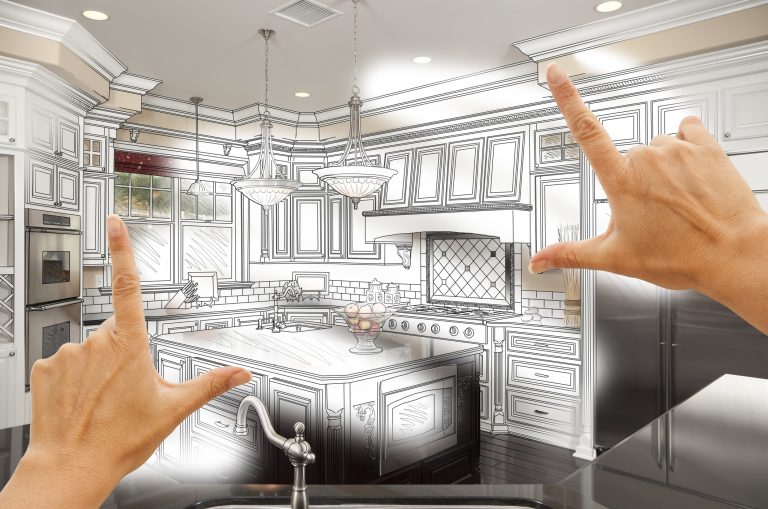

Whole-home remodeling is one of the most transformative home improvement projects you can undertake. Whether you’re expanding your living space, modernizing outdated rooms, or adapting your house to fit your lifestyle better, a full-home renovation gives you the chance to recreate your home without relocating.
With decades of combined remodeling experience, our team knows that a successful renovation is built on planning, budgeting, and choosing the right professionals. This guide walks you through everything you need to know before starting your home remodel—from concept to completion.
Define Your Home Remodeling Goals and Vision
Before meeting with contractors or requesting estimates, establish a solid foundation for your renovation plan. Take a walkthrough of your home and write down what isn’t working and what you’d like to change. This might include poorly utilized rooms, outdated features, or design elements that no longer reflect your taste.
Don’t be afraid to think long-term. Consider how your home should function 5, 10, or even 15 years from now. A remodel should not only address current issues but also accommodate future lifestyle changes, such as the growth of children, aging in place, or multigenerational living.
Why Start a Full-Home Renovation?
There are many reasons homeowners choose to remodel their entire home. Perhaps the layout no longer suits your family, or your finishes are outdated and inefficient. Maybe you love your location but want a home that better reflects your style.
A whole-home renovation lets you reimagine every square foot—kitchens, bathrooms, living areas, and bedrooms—so your home works better for your needs today and in the future.
Identify Your Remodeling Priorities
Before meeting with a contractor or designer, take time to:
- Determine your top goals (more space, better layout, energy efficiency)
- Decide which areas are essential to renovate
- Collect inspiration through photos, design sites, or model homes
A clearly defined vision helps your renovation team turn ideas into a realistic project plan.
How to Plan a Whole-House Remodel Step by Step
Detailed planning helps reduce the chances of delays, unexpected costs, and design regrets. It also allows your contractor to understand your expectations clearly, ensuring that design, materials, and scheduling are aligned. Approach the planning process like building a roadmap—each phase of construction should serve a clear purpose.
It’s also wise to create a priority list for what must be done versus what can wait. A phased remodel, where the project is broken up over time, may be more manageable depending on your living situation or budget.
Turn Design Ideas Into a Renovation Strategy
Once you’ve identified your goals, the next step is translating those ideas into an actionable remodeling plan. A strong plan sets the tone for a successful renovation and helps prevent costly delays or changes later.
Your plan should outline:
- The rooms included in the remodel
- The scope of work (minor updates vs. complete gut renovations)
- Preferred design features, layout changes, or upgrades
If you’re renovating a historic home or one in an HOA-regulated neighborhood, check local zoning laws, building codes, and permitting requirements before moving forward.
Start Planning 6 to 12 Months in Advance
Whole-home remodeling is a major project. Allow yourself sufficient time to plan, interview contractors, finalize financing, and obtain the necessary permits. Rushing this stage often leads to avoidable issues later in the process.
Set a Remodeling Budget That Aligns With Your Goals
Understanding how much you can comfortably spend helps keep your project grounded and prevents overcommitment. Think about not only the physical construction, but also any related lifestyle expenses. For example, will you need to rent temporary housing or take time off work during the project?
When evaluating estimates, ensure you’re comparing the exact scope of work and materials across different contractors. Low bids may overlook essential costs that emerge later as change orders. A solid budget should be realistic, thorough, and flexible enough to absorb the unexpected.
Understanding the Costs of Whole-House Renovation
Your budget is one of the most important parts of the renovation process. Without one, even the best-designed project can spiral out of control. Costs vary based on your location, the age of your home, the quality of materials, and labor rates.
Typical budget categories include:
- Permit fees and inspections
- Demolition and debris removal
- Labor and subcontractors
- Materials and finishes (flooring, cabinetry, tile, etc.)
- Appliances, furnishings, and decor
- Contingency reserve (10–20%) for unexpected costs
Create a Realistic Renovation Budget
Start by determining how much you’re willing to spend overall. Then work backward by requesting estimates, pricing materials, and adjusting the scope if needed. If you’re financing, explore HELOCs, renovation loans, or refinancing options in advance.
Choosing the Right Contractor for a Whole-Home Remodel
The contractor you hire will set the tone for your entire project, so this decision shouldn’t be rushed. Take time to conduct interviews, request portfolios, and evaluate their communication style. You’re not just hiring a builder—you’re partnering with someone who will be in your home daily for months.
Consider asking questions about how they handle scheduling, conflict resolution, and post-project support. A contractor who is responsive, detail-oriented, and transparent during the proposal phase is more likely to deliver a smooth and successful remodeling experience.
Why Hiring an Experienced Remodeling Contractor Matters
A whole-house remodel requires coordination across multiple trades, including plumbing, electrical, carpentry, tile, cabinetry, and more. Choosing the right general contractor ensures that your project is completed professionally, on budget, and in compliance with all relevant codes.
Here’s what to look for in a renovation contractor:
- Proven experience with large-scale home remodeling projects
- Valid licenses and insurance (workers’ comp and liability)
- Clear communication and transparent contracts
- Positive references and portfolio of similar work
- Reasonable deposit and structured payment terms
Don’t choose based solely on price. A low bid can often result in poor workmanship or incomplete projects. Instead, prioritize trust, qualifications, and long-term value.
Timeline Planning for a Whole-Home Renovation
Having a clear schedule helps minimize disruption to your daily life. Work backward from any must-hit deadlines, like the birth of a child, a move-in date, or an event you’re hosting. Your contractor can then align each stage of the remodel with key milestones.
Remember to account for decision-making time, as well as construction work. Material selection, design approvals, and change orders can all influence your timeline. The more decisions you finalize before demolition begins, the smoother the process will be.
How Long Does a Full Remodel Take?
While every home renovation is unique, most whole-house remodels take several months to complete. Factors such as material availability, permits, and structural changes will impact the timeline.
Work closely with your contractor to:
- Establish a realistic project schedule
- Confirm delivery dates for key materials
- Identify potential bottlenecks in construction phases
- Avoid rushing by planning for buffer time around holidays or inspections
Prepare for Living Arrangements During Renovation
Will you be staying in your home during the remodel? If so, consider how you’ll function without a kitchen or bathroom. Some families choose to relocate temporarily, while others designate livable zones during construction.
Getting Ready for Construction: What to Do Before Work Begins
Preparation isn’t just about moving furniture—it’s about mentally and logistically getting ready for a temporary change in your daily routine. Construction zones can be dusty, noisy, and stressful. Knowing what to expect and having contingency plans can significantly reduce stress.
You may want to notify your neighbors about the project timeline, especially if you live in a close community. Open communication can help prevent complaints about noise, debris, or construction vehicles.
Organize Your Home and Belongings
Before the first day of demolition, label and pack items carefully to make unpacking easier later. Keep essential documents, valuables, and daily-use items in a designated safe space away from the work zone. Use this as an opportunity to declutter—if you haven’t used something in years, it might not need to come back into your remodeled space.
In the weeks leading up to demolition:
- Clear out the rooms being remodeled
- Protect valuables and breakables
- Rent a storage unit or move furniture off-site if needed
- Set up a temporary kitchen or work area if staying home
Finalize Plans and Communicate Expectations
Make all major decisions before construction begins. Last-minute changes can delay work or increase costs. Confirm your contract, payment schedule, material selections, and scope of work in writing with your contractor.
Dealing With Delays, Changes, and Renovation Surprises
Flexibility is a key mindset when it comes to whole-home remodeling. Even well-prepared homeowners may need to make on-the-fly decisions. Supply shortages, permit delays, or weather events can all shift the schedule.
A responsive contractor will help navigate changes quickly and keep the project moving forward. Build in regular check-ins to stay updated on progress and feel confident about how changes are handled if they arise.
Expect the Unexpected During Home Remodeling
Even the best-planned renovations can encounter a few bumps, such as structural surprises, weather delays, or backordered materials. The key is to stay flexible and maintain open communication with your contractor.
Stay calm, ask for solutions, and refer to your budget contingency fund when needed.
Who Handles Cleanup and Debris?
Clarify early on whether your contractor will be responsible for debris removal, dumpster rentals, and post-construction cleanup. This should be part of your written agreement and budget.
Enjoying the Results of Your Whole-Home Remodel
When your renovation is complete, you’ll have a home that looks, feels, and functions better than ever. Whole-home remodeling is a significant investment—but when done correctly, it creates lasting comfort, enhances resale value, and gives you the home you’ve always wanted.
Work with trusted professionals, stay organized, and plan thoroughly—because remodeling your entire home should be exciting, not overwhelming.